RisingStar
- Home
- About Us
- Products
- News
- Video
- Contact
- Send Inquiry
Search
- Home
- About Us
- Products
- News
- Video
- Contact
- Send Inquiry
RisingStar
In the rapidly evolving world of display technology, In-Plane Switching (IPS) panels have become a benchmark for high-quality visual performance across industries—from consumer electronics to industrial and medical applications. As global demand for brighter, more accurate, and more durable screens rises, IPS panels stand out due to their superior color consistency, wide viewing angles, and robustness under challenging environmental conditions such as direct sunlight.
IPS technology was developed in the late 1990s by Hitachi and later refined by major manufacturers like LG Display, Samsung, and AU Optronics. Unlike traditional Twisted Nematic (TN) panels, which suffer from poor color reproduction and narrow viewing angles, IPS aligns liquid crystal molecules parallel to the panel surface. This allows light to pass through more uniformly, resulting in consistent colors from virtually any angle—up to 178° horizontally and vertically. For professionals working in graphic design, video editing, or medical diagnostics, this uniformity is not just a feature—it’s a necessity.
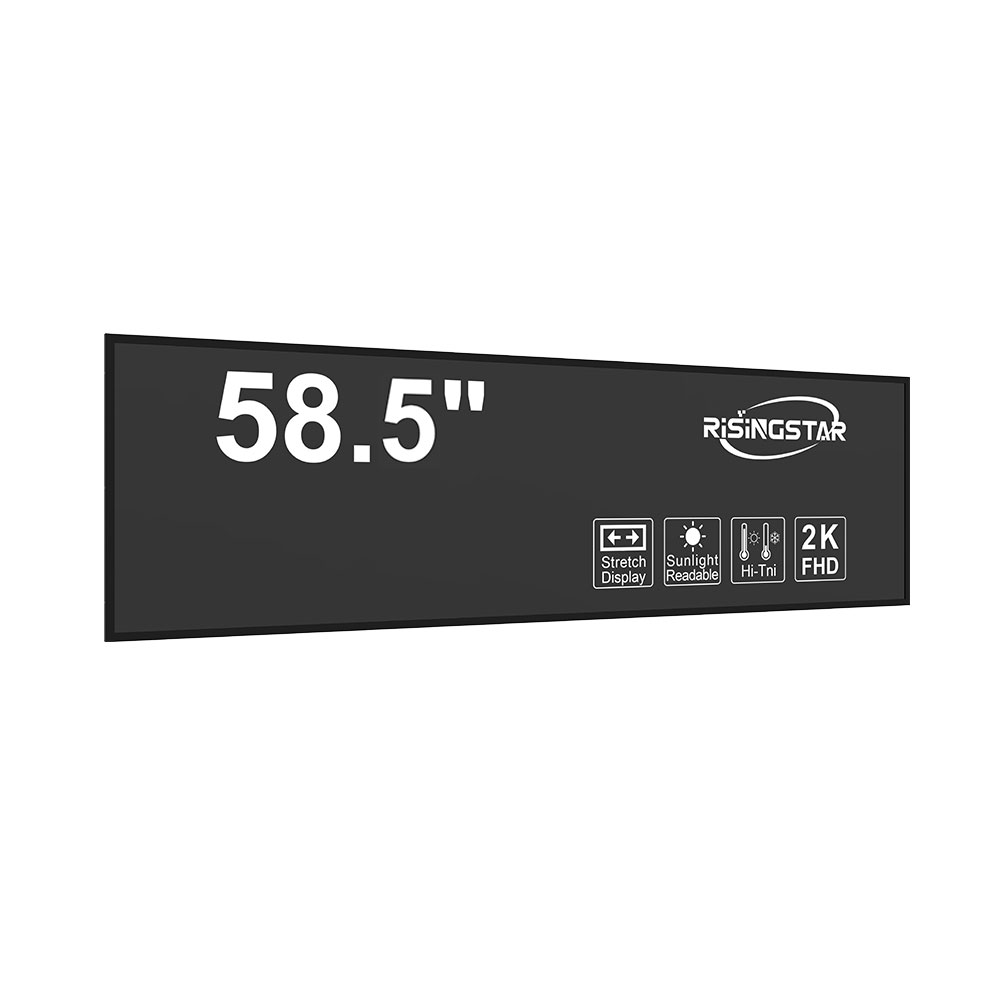
One of the most compelling benefits of IPS panels is their excellent color accuracy. With typical color gamut coverage of 99% sRGB and up to 100% Adobe RGB in professional models, IPS displays meet the stringent standards of content creators. For instance, Apple’s Pro Display XDR and Dell UltraSharp monitors use IPS panels to ensure color fidelity that matches print media and film production requirements. This makes them ideal for creative workflows where even minor color deviations can impact final outcomes.
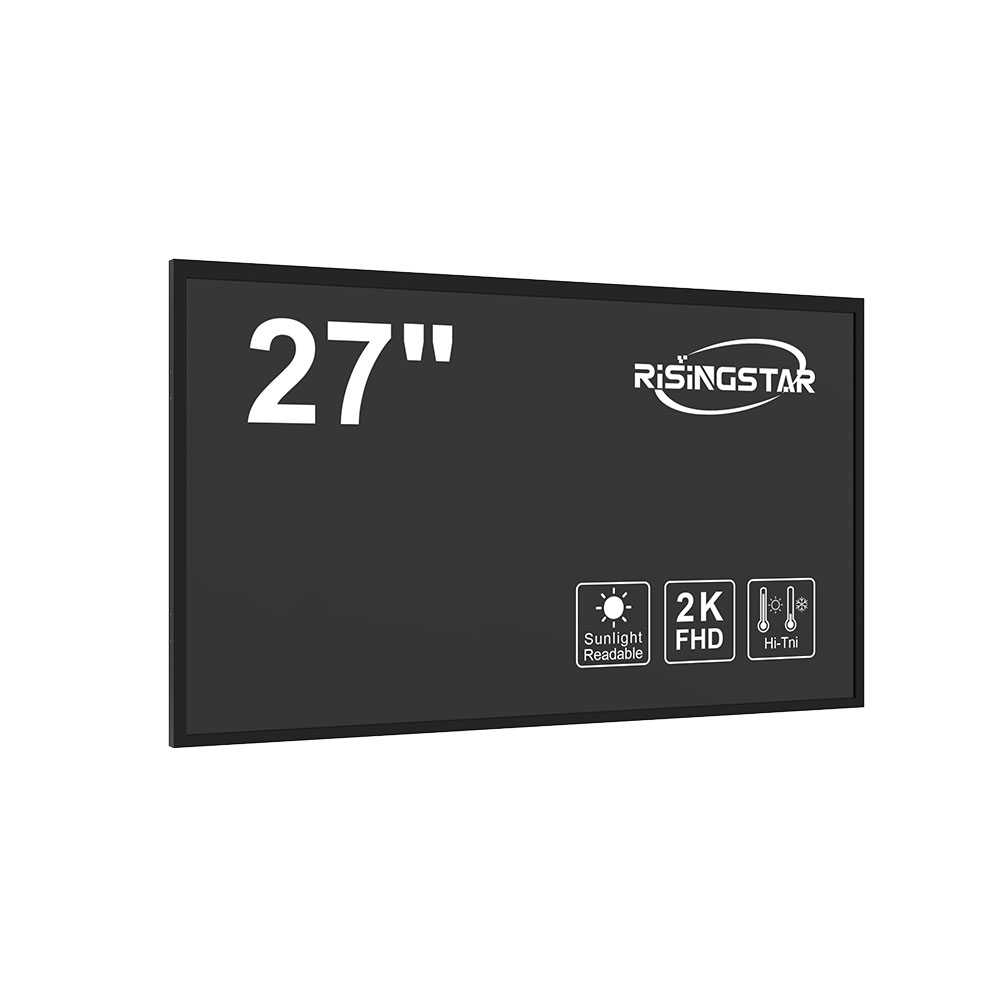
Another key advantage lies in sunlight readability. Industrial-grade IPS LCDs are engineered with brightness levels exceeding 3,000 nits—far beyond standard indoor displays (typically 250–500 nits). This high-brightness capability, combined with anti-glare coatings and optimized backlight systems, ensures legibility in direct sunlight. A case study from the U.S. Department of Defense shows that military field devices using IPS panels maintained operational clarity under full sun exposure during training exercises, while TN-based alternatives failed to deliver usable images.
Additionally, IPS panels exhibit better long-term stability in terms of image retention and response time. While early IPS panels were criticized for slower pixel response (often 4–8 ms), modern variants using advanced driving circuits and overdrive technologies now achieve response times as low as 1 ms—on par with high-end gaming TN panels. This evolution has made IPS the preferred choice for both productivity and entertainment use cases.
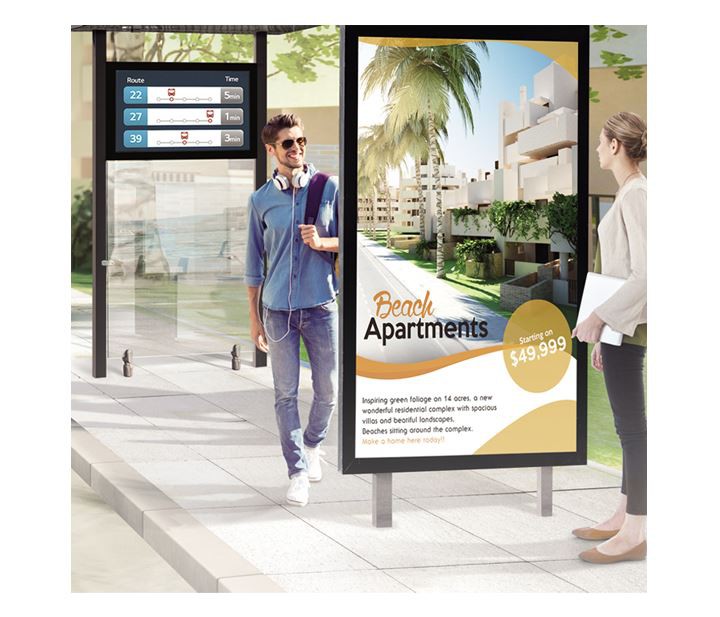
For outdoor kiosks, automotive dashboards, and public transportation displays, IPS panels offer resilience against temperature extremes (-30°C to +70°C) and mechanical shock. Their rigid structure and use of glass substrates reduce susceptibility to damage compared to flexible OLEDs. Moreover, ISO 14001-certified manufacturing processes ensure environmentally sustainable production, making IPS a future-proof solution aligned with global ESG goals.
In summary, IPS panels provide a well-balanced blend of performance, durability, and usability—especially critical in environments where visibility, color integrity, and longevity matter. Whether you're a designer, engineer, or enterprise buyer, choosing an IPS panel means investing in a proven, reliable, and high-performance display technology backed by decades of refinement and real-world validation.