RisingStar
- Home
- About Us
- Products
- News
- Video
- Contact
- Send Inquiry
Search
- Home
- About Us
- Products
- News
- Video
- Contact
- Send Inquiry
RisingStar
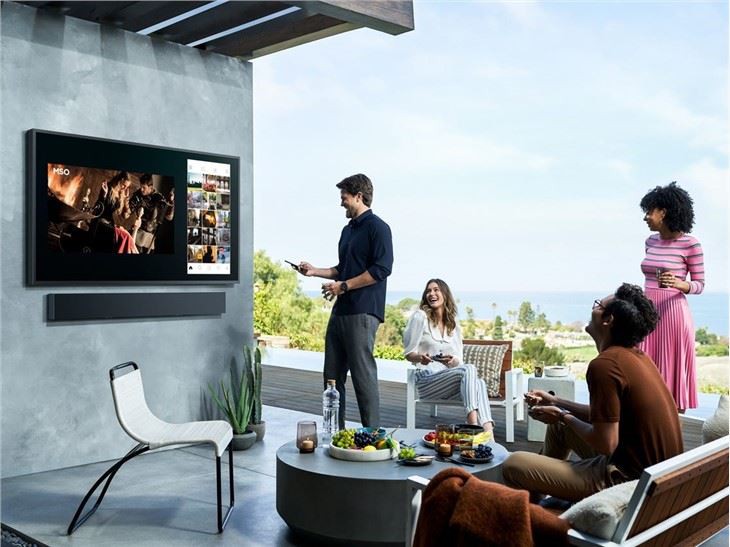
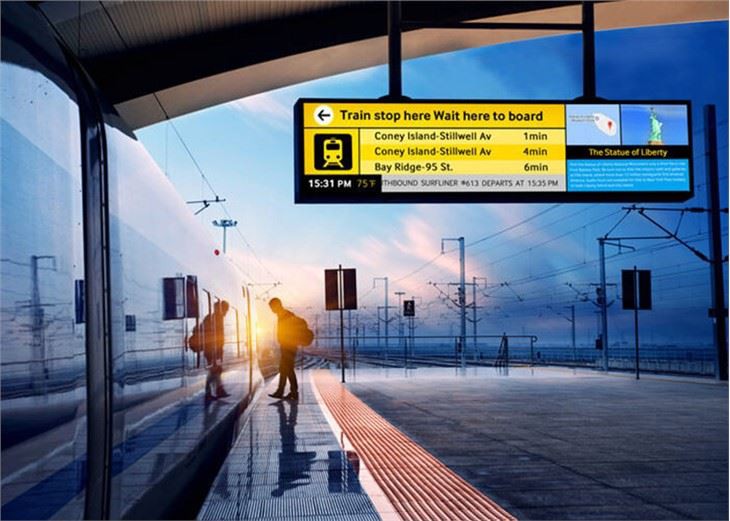
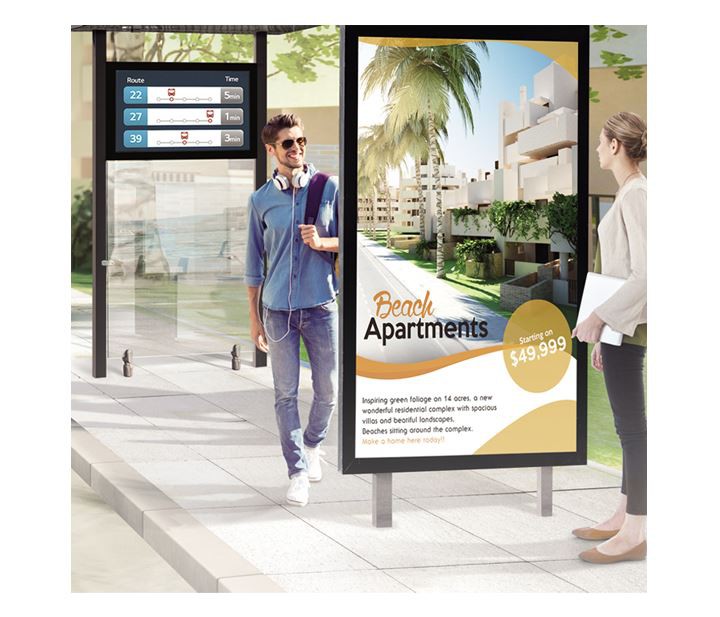
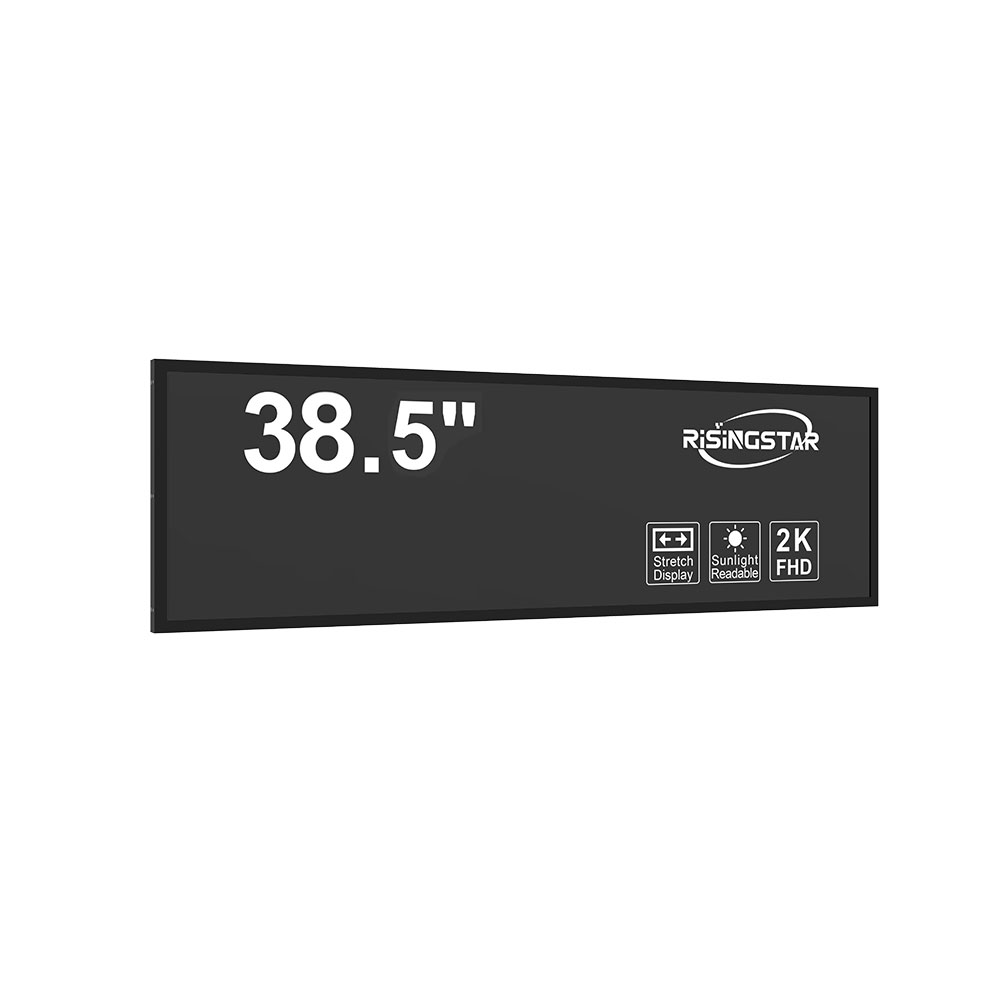
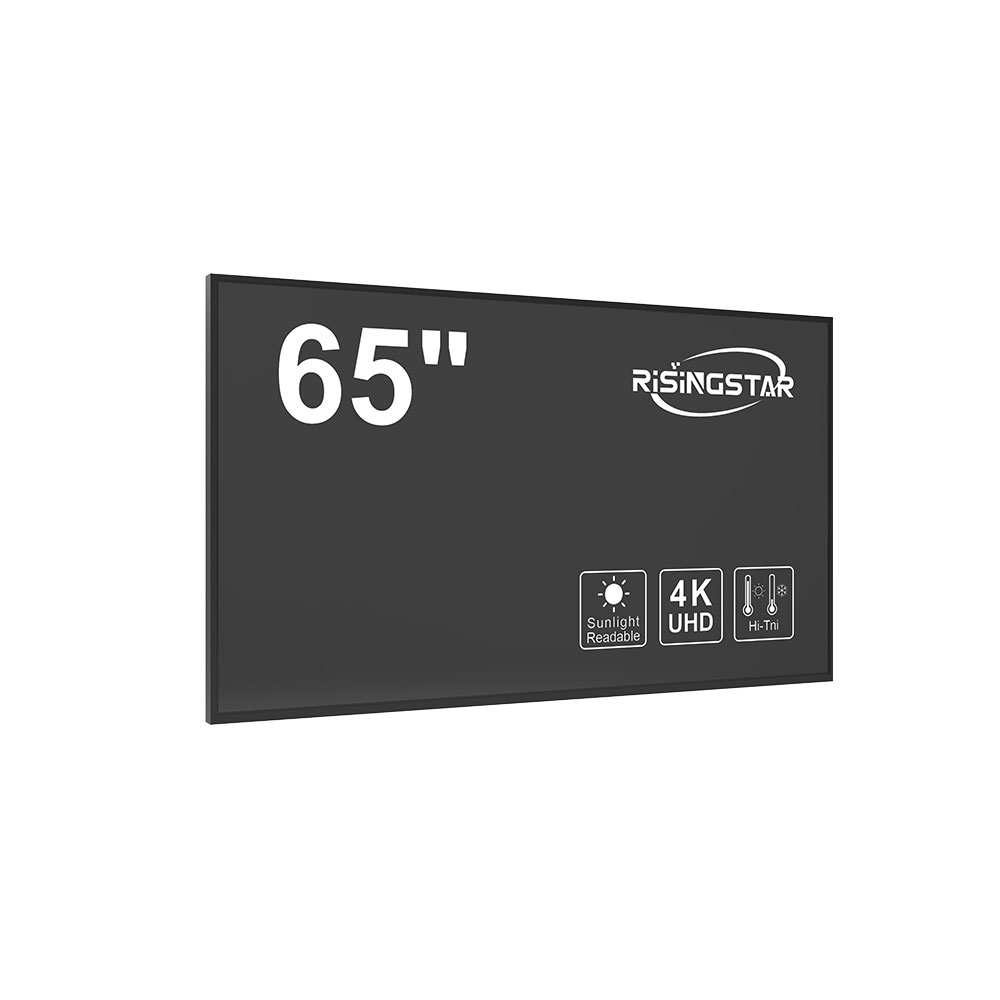
In today’s rapidly evolving industrial landscape, the demand for reliable, high-performance display technologies in outdoor environments has never been greater. From military command centers to construction sites, from transportation hubs to agricultural monitoring systems, sunlight-readable LCDs are becoming the standard for ensuring visibility, durability, and operational efficiency under harsh lighting conditions. Among these, high-brightness sunlight-readable LCD displays stand out as a critical enabler of real-time data visualization, control, and communication in direct sunlight—where conventional screens fail.
High-brightness sunlight-readable LCDs typically operate at luminance levels of 3,000 to 10,000 nits, far exceeding the 250–500 nits range of standard indoor LCDs. This enhanced brightness is achieved through a combination of advanced backlighting technologies, optimized panel design, and specialized surface treatments. For example, modern displays often integrate LED-based backlights with diffusers that evenly distribute light across the entire screen while minimizing hotspots—an essential feature for consistent visual quality in variable lighting conditions. Additionally, manufacturers use anti-reflective coatings (such as nano-textured glass or multi-layer optical films) to reduce glare and improve contrast even when exposed to direct sunlight.
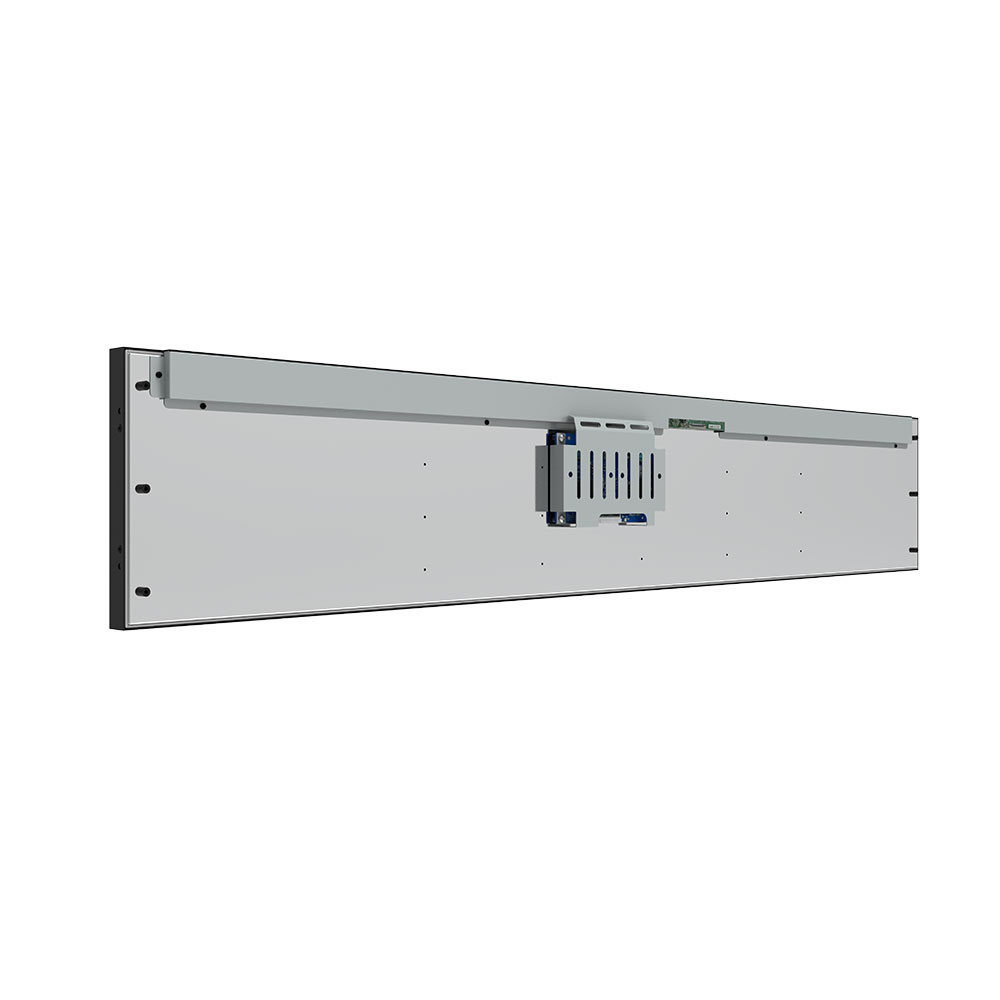
The engineering behind these displays involves more than just brightness. They must also meet stringent environmental standards. According to MIL-STD-810G and IEC 60068-2-1, many industrial-grade LCDs undergo rigorous testing for temperature extremes (-40°C to +70°C), humidity resistance, shock and vibration tolerance, and ingress protection (IP65 or higher). These certifications ensure that devices like ruggedized tablets, vehicle-mounted dashboards, and portable field diagnostics tools can function reliably in extreme weather conditions—from Arctic winters to desert heatwaves.
One key technological innovation enabling sunlight readability is the use of transflective liquid crystal panels. Unlike purely transmissive panels used in most consumer devices, transflective LCDs combine both reflective and transmissive properties. In bright ambient light, the internal reflective layer bounces sunlight back through the pixels, enhancing image clarity without consuming additional power. This dual-mode operation significantly improves battery life in portable devices—a crucial advantage in remote field applications where charging infrastructure may be limited.
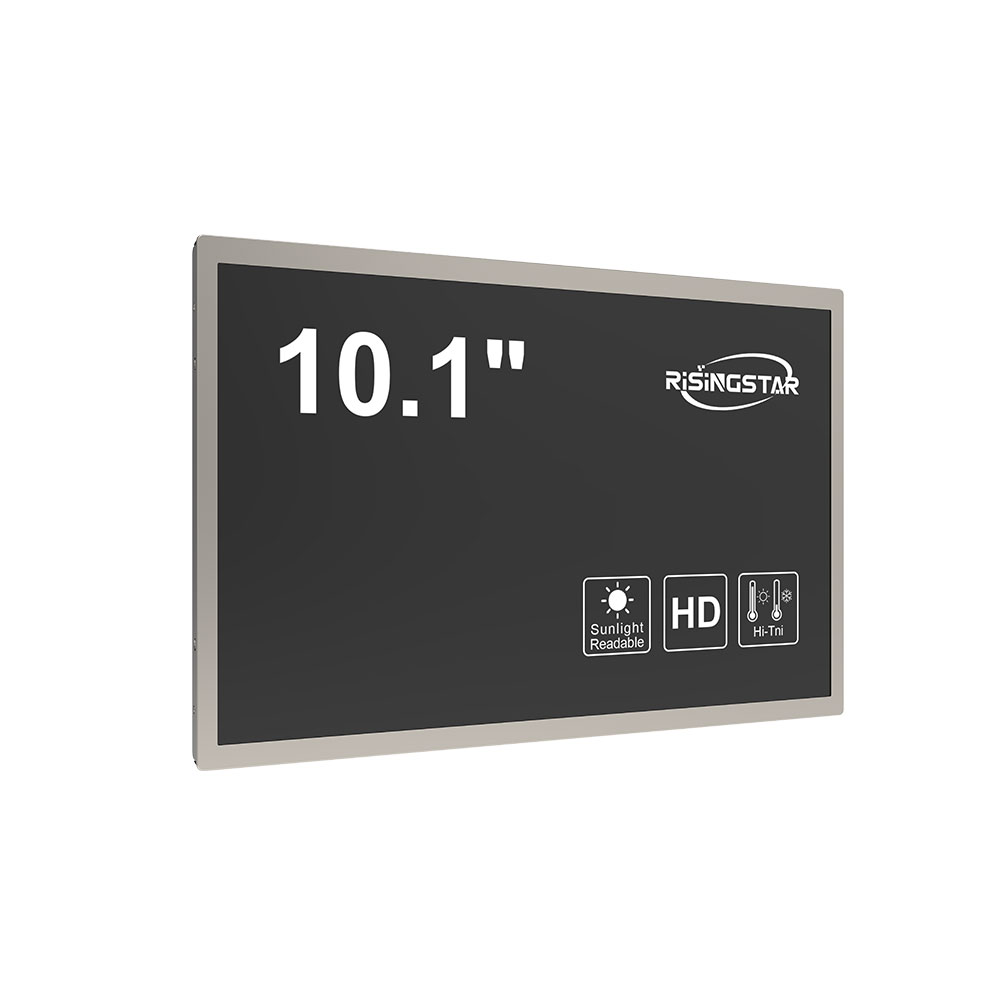
Case studies illustrate the practical benefits of adopting high-brightness sunlight-readable displays. For instance, a 2023 deployment by a major logistics company in Australia replaced older LCD screens on its fleet management systems with 5,000-nit transflective displays. The result was a 90% reduction in driver-reported visibility issues during midday operations, leading to improved route accuracy and reduced accidents. Similarly, a U.S. Department of Defense pilot project in 2022 evaluated high-brightness displays in tactical vehicles operating in desert environments. The tested units maintained full functionality at temperatures up to 65°C and showed no degradation in image quality after 1,000 hours of continuous exposure to UV radiation—a performance benchmark not achievable with standard commercial-grade LCDs.
Manufacturers such as Eizo, LG Display, and Sharp have invested heavily in R&D to push the boundaries of what sunlight-readable LCDs can achieve. Eizo’s “ColorEdge” series, for example, includes models with adaptive brightness control that adjusts output based on ambient light sensors, preserving battery life while maintaining optimal visibility. LG Display's proprietary “Direct View OLED” technology offers superior contrast ratios (up to 1,000,000:1) compared to traditional LCDs, making it ideal for mission-critical applications where image fidelity is paramount. Sharp’s “Hybrid Transflective” panels, meanwhile, combine high brightness with low power consumption—a breakthrough for solar-powered IoT devices deployed in remote locations.
From an economic perspective, the long-term cost-effectiveness of high-brightness sunlight-readable LCDs cannot be overstated. While initial procurement costs may be 20–40% higher than standard LCDs, their extended lifespan, reduced maintenance needs, and minimal downtime translate into substantial savings over time. A 2021 study published in the Journal of Industrial Electronics found that industries using sunlight-readable displays experienced an average return on investment within 12–18 months due to increased productivity and fewer device failures.
Moreover, regulatory compliance plays a vital role in the adoption of these displays. In Europe, CE marking ensures conformity with electromagnetic compatibility (EMC) and safety directives. In North America, UL certification confirms compliance with fire safety and electrical standards. For global deployments, compliance with ISO 13482 (for robotics) and ISO 9001 (quality management) further reinforces trust among end-users and integrators.
Future trends point toward even more sophisticated integration of AI-driven brightness adjustment, edge-to-edge bezelless designs, and flexible OLED substrates that enable curved or conformable displays for unconventional mounting configurations. These advancements will further expand the utility of sunlight-readable displays beyond traditional sectors into emerging domains such as autonomous vehicles, smart cities, and wearable AR/VR systems for outdoor workers.
For engineers, system designers, and procurement managers, selecting the right high-brightness sunlight-readable LCD requires a holistic evaluation of brightness levels, environmental resilience, power efficiency, and total cost of ownership—not just raw specs. Understanding how each component—from the backlight module to the protective cover glass—contributes to overall performance is essential for successful implementation.
In conclusion, high-brightness sunlight-readable LCD displays represent a convergence of cutting-edge materials science, robust engineering, and real-world usability. Their ability to deliver clear, readable content under intense sunlight makes them indispensable across industries ranging from defense and transportation to agriculture and energy. As outdoor digital interfaces become increasingly central to automation, remote monitoring, and human-machine interaction, investing in this technology is not merely a strategic choice—it is a necessity for staying competitive in the modern industrial era.