 RisingStar
- Home
- About Us
- Products
- News
- Video
- Contact
- Send Inquiry
Search
- Home
- About Us
- Products
- News
- Video
- Contact
- Send Inquiry
RisingStar
In recent years, high-brightness sunlight-readable LCD screens have emerged as a vital technology across various industries, including automotive, outdoor advertising, military, and medical applications. These screens stand out for their ability to deliver clear and vibrant visuals even under direct sunlight conditions. The effectiveness of high-brightness LCDs hinges on several engineering advancements, including enhanced backlighting, anti-glare technology, and specialized display materials.
Introduction to High-Brightness LCD Technology
High-brightness sunlight-readable LCD screens typically feature luminance levels exceeding 1,000 nits, making them suitable for outdoor environments. The primary engineering challenges in developing these screens include achieving superior brightness while maintaining color accuracy, contrast, and energy efficiency. To address these challenges, manufacturers employ several strategies, including the use of high-power LED backlighting systems and advanced optical coatings.
Key Components of High-Brightness LCDs
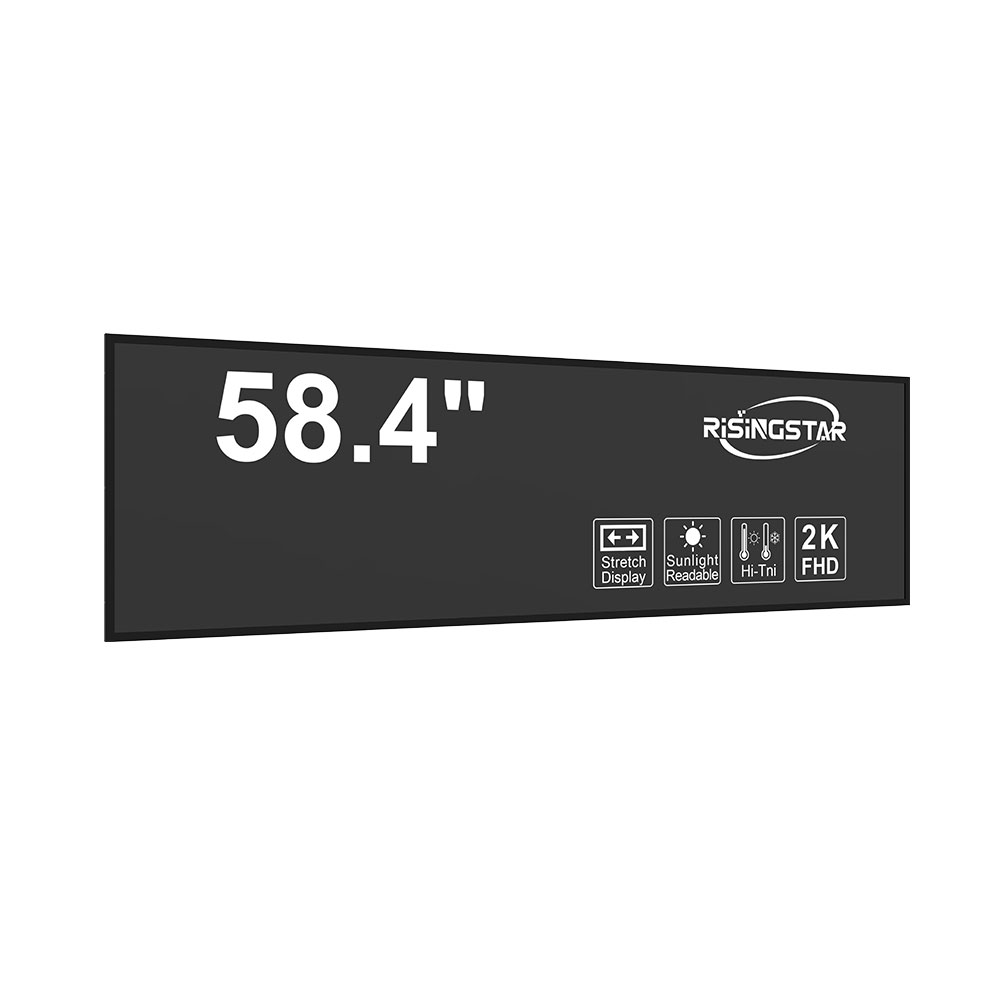
1. Enhanced Backlighting Systems: A crucial aspect of high-brightness LCDs is their backlighting systems. Traditionally, cold cathode fluorescent lamps (CCFL) were used; however, modern high-brightness LCDs predominantly utilize LED backlighting. LED technology allows for higher luminance levels, reduced energy consumption, and longer operational lifetimes. Additionally, some systems use local dimming techniques to optimize contrast, effectively boosting perceived brightness in certain areas of the screen while reducing glare.
2. Optical Enhancements: Anti-reflective and anti-glare coatings are integral to high-brightness LCD engineering. These coatings minimize reflections from ambient light sources, allowing the display to maintain visibility. Furthermore, a higher quality optical glass is used to improve light transmission and reduce interference from external light sources. Innovations such as dual-layer polarizers have also been introduced to enhance clarity and reduce haze, thereby ensuring that images remain vivid under bright sunlight.
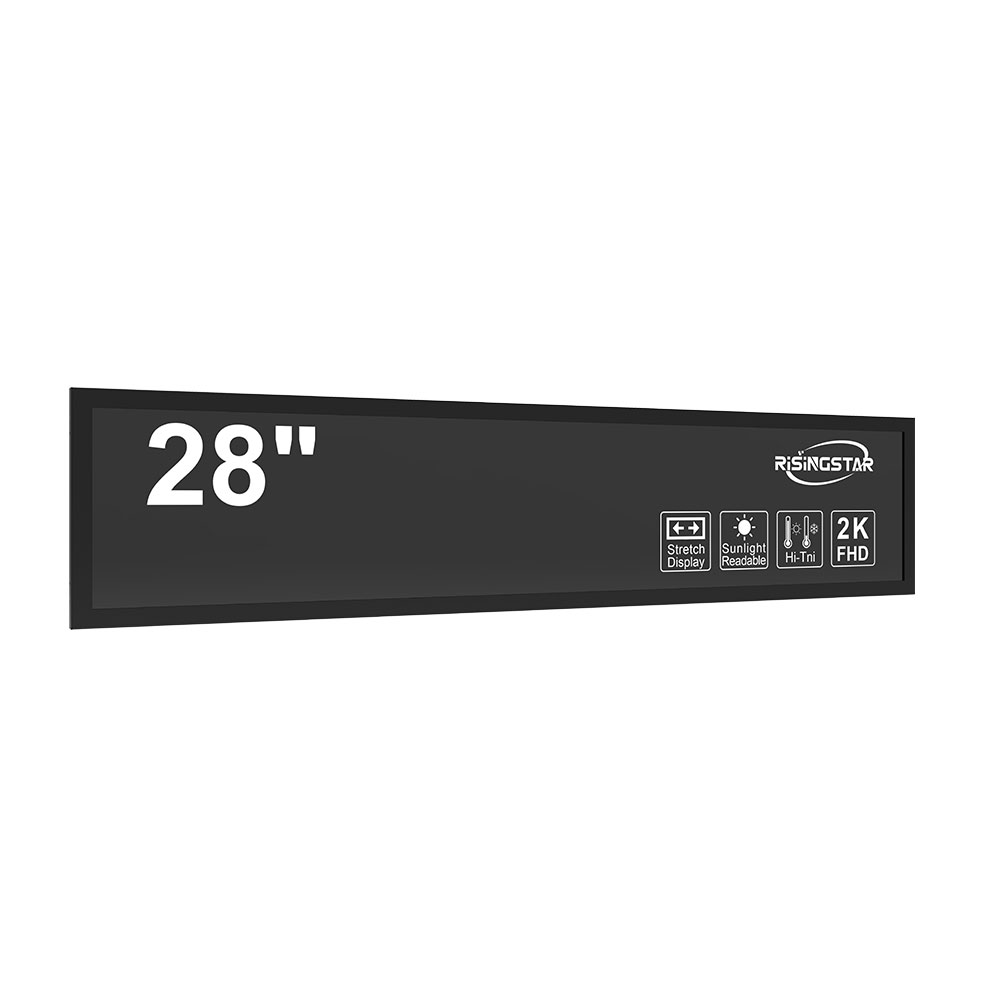
3. Thermal Management: As brightness increases, so does heat generation, which can significantly affect performance and lifespan. Engineers employ thermal management strategies such as heat sinks, thermal interface materials, and optimized chassis designs to dissipate heat effectively. These systems ensure that the LCD operates within its designed temperature range, preserving performance over extended periods.
4. Durability and Environmental Resistance: High-brightness LCDs must contend with harsh environmental conditions, including extreme temperatures, humidity, and dust. Manufacturers produce ruggedized displays using materials that meet or exceed industry standards, such as MIL-STD-810 for military applications. This ensures that the displays can endure exposure to UV radiation, shock, and vibration.
Applications of High-Brightness LCD Screens
High-brightness LCDs have found extensive use in various sectors, characterized by demanding visibility requirements. In the automotive industry, for instance, these displays are used in infotainment systems and dashboard displays, providing crucial information even in bright daylight. The military sector employs high-brightness screens in tactical equipment and drone monitoring systems, where operability under diverse conditions is essential.
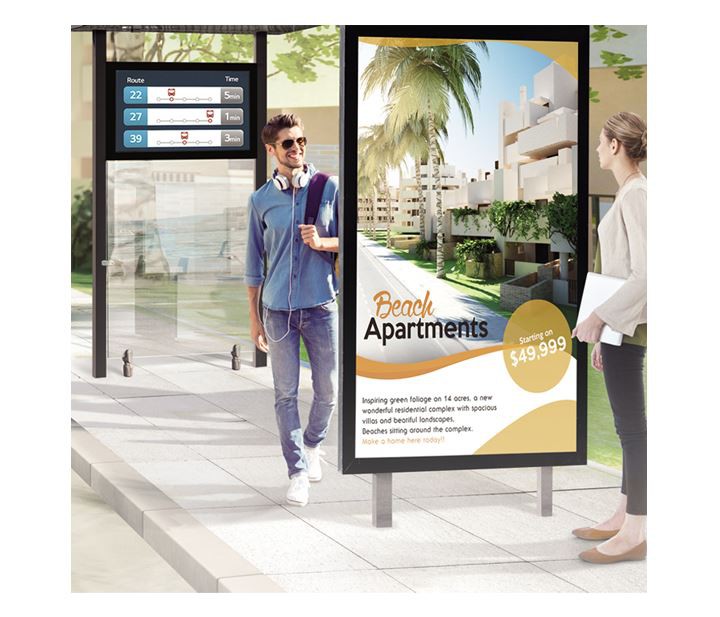
Moreover, outdoor advertising has significantly benefited from this technology, as high-brightness displays effectively draw attention and convey information, enhancing engagement in bustling urban environments. Similarly, healthcare applications utilize high-brightness LCDs in patient monitoring systems, where real-time data visibility is critical, regardless of lighting conditions.
Conclusion
High-brightness sunlight-readable LCD technology continues to evolve, driven by advancements in materials science and engineering techniques. As industries demand displays that can perform reliably under challenging environmental conditions, the significance of high-brightness LCDs will only increase. Future developments may focus on further increasing energy efficiency, enhancing color reproduction, and promoting sustainability in manufacturing processes. As this technology advances, high-brightness displays will continue to play an essential role across diverse applications, meeting the visually demanding requirements of users worldwide.